Networking Beyond the Pitch
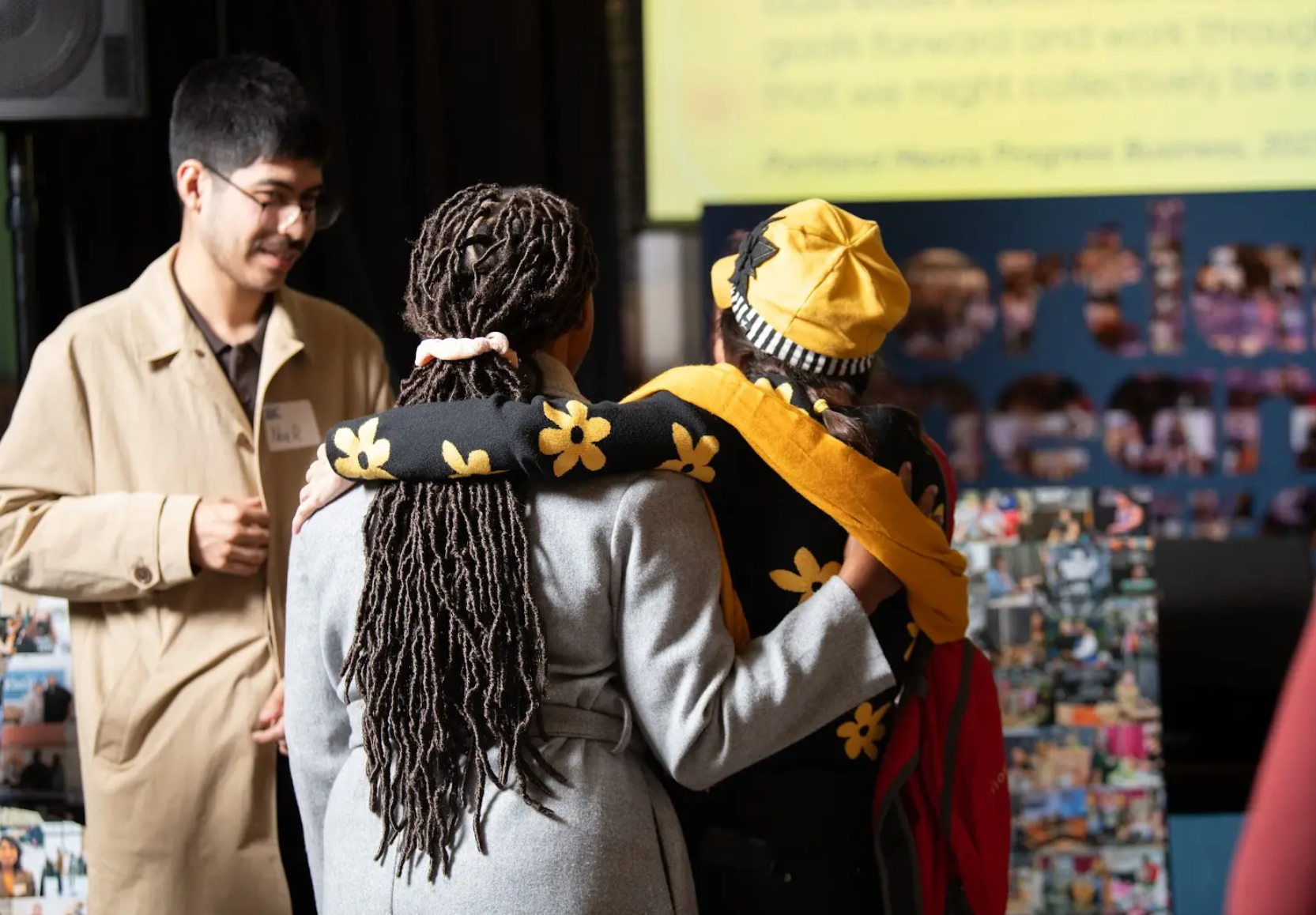
Networking is often framed as a skill that one has to prepare for, practice and perform. It starts with crafting the perfect 60-second elevator pitch, making a strong first impression and presenting yourself clearly and confidently in a short amount of time.
But for many people, networking doesn’t feel natural.
Before even stepping into the room, there can already be a sense of pressure on what to say, how to say it, or whether you’ll be understood. For some, it’s not just about being prepared but about managing anxiety, navigating unfamiliar environments, or trying to stay grounded in moments that feel overwhelming.
Even once a conversation begins, it can feel like there’s an expectation to respond quickly, say the “right” thing, or keep the interaction flowing without pause. And when that space isn’t there, conversations can feel rushed, forced, or emotionally draining.
Workshops and courses can help with structure, but they don’t always address how networking feels. And when those feelings aren’t acknowledged, interactions can become more about performance than connection.
Think back to the last network event you attended. Did the conversation feel genuine, or did they feel like a series of rehearsed exchanges?
For many people, networking isn’t just about what to say, but rather how the interaction feels in the moment.
Before the Words: How Conversations Feel
Before a conversation becomes meaningful, it has to feel safe enough first - not just professionally appropriate, but emotionally comfortable. In unfamiliar environments, small things can make a significant difference. A calm tone. A slower pace. The ability to pause. The space to take a breath and gather your thoughts before responding.
For some, being given that space can be the difference between feeling overwhelmed and feeling supported.
When people are allowed to take their time - to speak, to process, and even to sit in silence for a moment - it creates this sense of ease. It signals that the conversation isn’t something to rush through, but something to move through together.
Not everyone communicates in the same way or at the same pace. Some people may need a moment to think before responding, while others may express their thoughts as they go. Creating space for these differences help conversations feel more supportive and less pressured. Sometimes support can be as simple as someone asking how you’re feeling, speaking in a gentle way, or meeting you where you are without expectations. In those moments, trust can begin to build through presence rather than performance.
Listening also plays a critical role. When someone listens with patience and care, it creates an environment where people feel acknowledged and understood. That sense of being heard can help reduce anxiety and make future interactions feel more manageable
Before conversation can be productive or impactful, they need to feel human. And when people feel safe, they are more likely to open up, engage, and connect.
Once a conversation feels grounded and supportive, the focus begins to shift. Instead of thinking about what to say next, the interaction becomes less about performance and more about understanding.
Lead with Curiosity and Shared Interests
Traditional networking often emphasizes preparation, but meaningful conversations are rarely scripted. When conversations are rooted in curiosity, they begin to unfold more naturally. Instead of leading with a rehearsed introduction, connections can start with simple, thoughtful questions like, “What brought you here?” or “What are you hoping to get out of this space?”
Curiosity shifts the focus away from trying to respond perfectly and toward understanding more deeply. Rather than thinking about what to say next, the conversation becomes about exploring the other person’s perspective. With doing so, it helps create a natural rhythm - where one response leads to another question, which leads to a deeper exchange. Instead of feeling like a series of disconnected introductions, the conversation begins to build.
In many networking spaces, there’s an unspoken pressure to present yourself in a certain way. But when that pressure is removed, conversations begin to feel more natural. Small reactions, follow-up questions, and genuine interest replace scripted responses.
Instead of trying to deliver the perfect answer, the focus becomes learning about the other person and allowing them the space to share in their own way. As curiosity creates a more natural flow, another important element begins to take shape on how people show up for one another within the conversation.
Listening as Connection
At the core of any meaningful conversation is the ability to listen - not just to respond, but to understand.
Conversations are most impactful when they are a two-way exchange rather than a one-sided interaction. This doesn’t always mean equal speaking time, but rather mutual presence. Engagement can show up in small but meaningful ways: a nod, a pause, a thoughtful follow-up question, or even acknowledgment of what someone has shared. These signals communicate that the conversation is a shared experience and not a performance.
It’s also important to recognize that people process conversations differently. Some may need time to reflect before speaking, while others may ask questions as they go. Creating room for these different styles allows conversations to feel more inclusive and supportive.
When people feel heard, they’re more likely to trust the interaction and that trust becomes the foundation for connection. Conversations rooted in trust, curiosity and mutual engagement begin to extend beyond individual moments and blossom on a deeper meaning.
From Interaction to Community
Networking is often viewed as an individual effort. It can be seen as meeting as many people as possible, exchanging information and expanding your circle. But meaningful networking isn’t built on quantity, it’s built on how people show up for one another.
When conversations shift from self-promotion to mutual support, networking begins to feel different. It becomes less about what you can gain and more about how people can support each other.
Sometimes that support looks like encouraging someone in a conversation, helping them feel more confident, or even “hyping” them up when entering new spaces. Other items, it’s simply staying present, listening, and making someone feel less alone in an unfamiliar environment.
There’s also a shared understanding that begins to form. Many people walk into networking spades feeling unsure, intimidated, or out of place. Acknowledging those experiences, whether directly or indirectly can create a sense of connection that goes beyond surface-level interaction.
Over time, these moments begin to build trust. And that trust transforms networking from a transactional experience into something more relational - a space where people feel supported, understood, and connected.
When we begin to move away from performance and toward connection, networking starts to feel less like a task and more like an experience.
Final Thoughts
Networking doesn’t have to be about having the perfect elevator pitch or saying the right thing at the right time. It doesn’t require a script, a polished introduction or a perfectly timed response to be meaningful.
Instead, meaningful connections are built through presences, curiosity and the willingness to engage with others in a genuine and supportive way. When conversations feel safe, when people are given space to be themselves, and when listening becomes just as important as speaking, networking begins to shift.
It becomes less about performance and more about connection.
Not every conversation will feel natural. Not every interaction will lead to something more. But, when we approach networking with openness rather than pressure, we create space for more authentic experiences.
Sometimes, the most meaningful conversations don’t start with a pitch.
They start with a pause.
A question.
A moment of understanding.
And often, that’s more than enough.
